With enthusiasm, let’s navigate through the intriguing topic related to Will 2025 Battery Work for 2032?. Let’s weave interesting information and offer fresh perspectives to the readers.
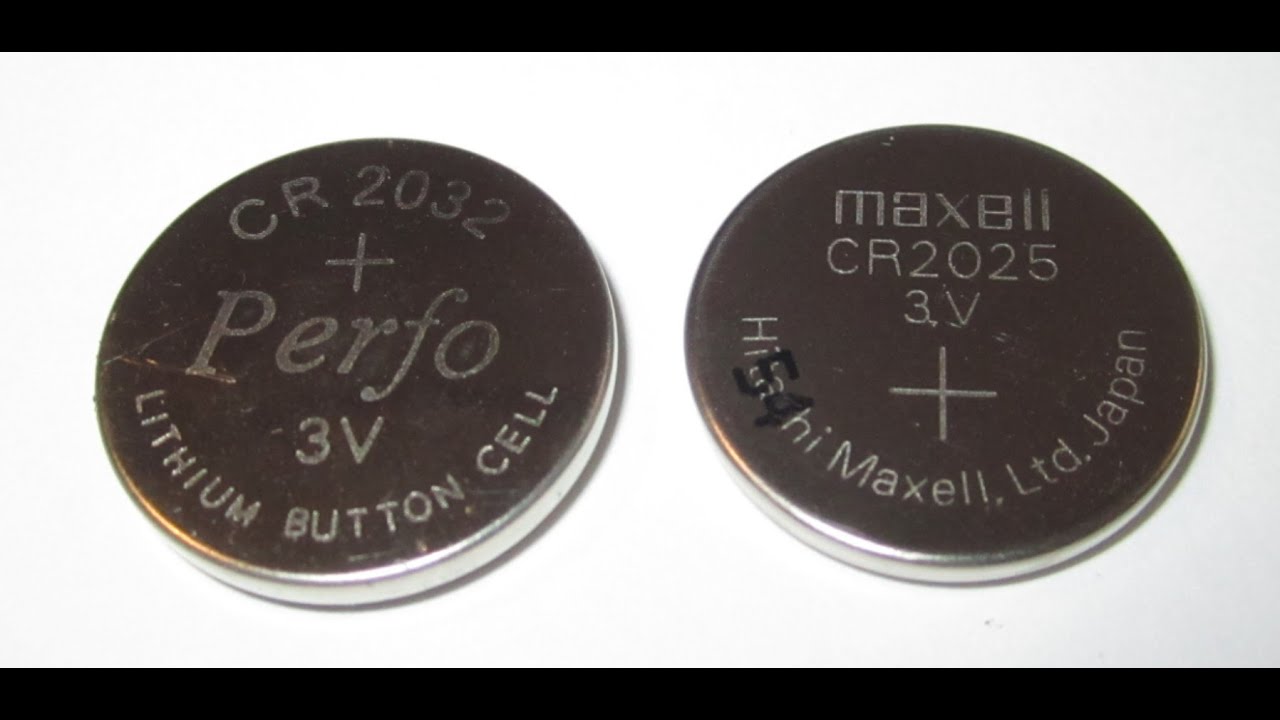

The automotive industry is undergoing a rapid transformation, driven by the rise of electric vehicles (EVs). As EVs become more mainstream, the demand for batteries with higher energy density, longer lifespan, and faster charging times is increasing. In 2025, a new generation of batteries is expected to hit the market, promising significant improvements in these areas. However, the question remains: will these 2025 batteries still be viable for EVs in 2032?
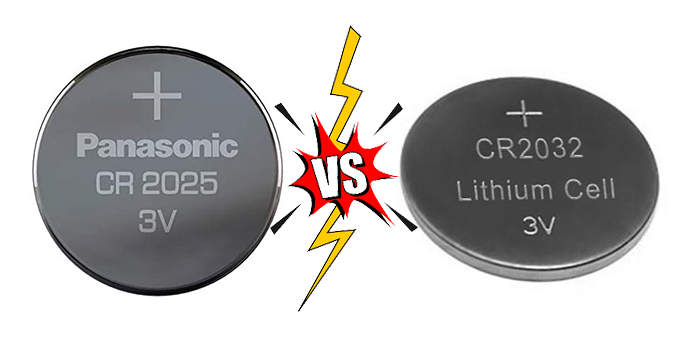
The 2025 batteries are expected to feature several key advancements over current technologies. These include:

By 2032, the EV market is projected to grow exponentially, with a significant increase in the number and variety of EVs on the road. This growth will bring with it new requirements for batteries, including:

Given the rapid pace of battery technology advancement, it is important to consider whether 2025 batteries will remain compatible with EVs produced in 2032. Several factors will influence this compatibility, including:
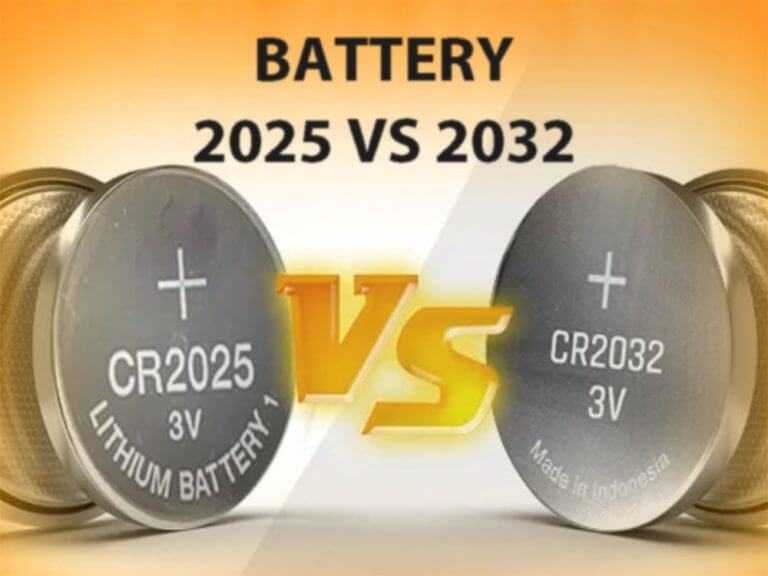
While 2025 batteries hold great promise, there are still some challenges that need to be addressed before they can be widely adopted in EVs. These challenges include:
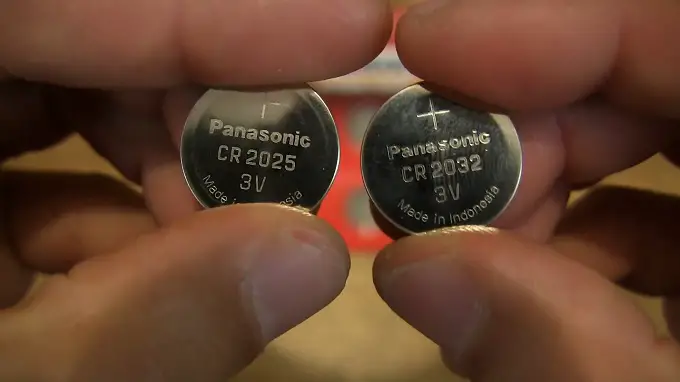
Despite these challenges, the development of 2025 batteries represents a significant opportunity for the EV industry. By addressing these challenges and continuing to invest in battery research and development, it is possible to create batteries that will meet the future requirements of EVs and drive the transition to a more sustainable transportation system.

The answer to the question of whether 2025 batteries will work for 2032 EVs is not entirely clear. While these batteries are expected to offer significant improvements over current technologies, their compatibility and longevity will depend on a number of factors, including battery technology advancements, future EV requirements, and the ability to overcome challenges such as cost, supply chain, and recycling. However, by investing in continued research and development, it is possible to create batteries that will meet the future needs of EVs and support the growth of the EV industry.
Thus, we hope this article has provided valuable insights into Will 2025 Battery Work for 2032?. We hope you find this article informative and beneficial. See you in our next article!
